Partnering for Biodiversity: ADFCL and the Future of Bee Reproduction
Sometimes innovation does not start in a laboratory owned by a multinational corporation. Sometimes it starts with four engineering students, a problem worth solving, and the determination to build something better.
The Association for the Development of Moonlight Mating (ADFCL) was founded by students from Arts et Métiers (Bordeaux), combining expertise in hydrodynamics, ecology, and entrepreneurship. For two years, they have been developing an open-source system designed to improve the genetic control of honeybee reproduction.
Why does this matter? Because the resilience of a hive depends largely on its queen. And the ability to guide and control mating processes can significantly influence colony productivity and resistance to environmental stress.
The “Moonlight Mating” method , which delays mating to a controlled time window between late afternoon and sunset , offers a promising solution. Yet until now, such techniques were costly or technically complex.
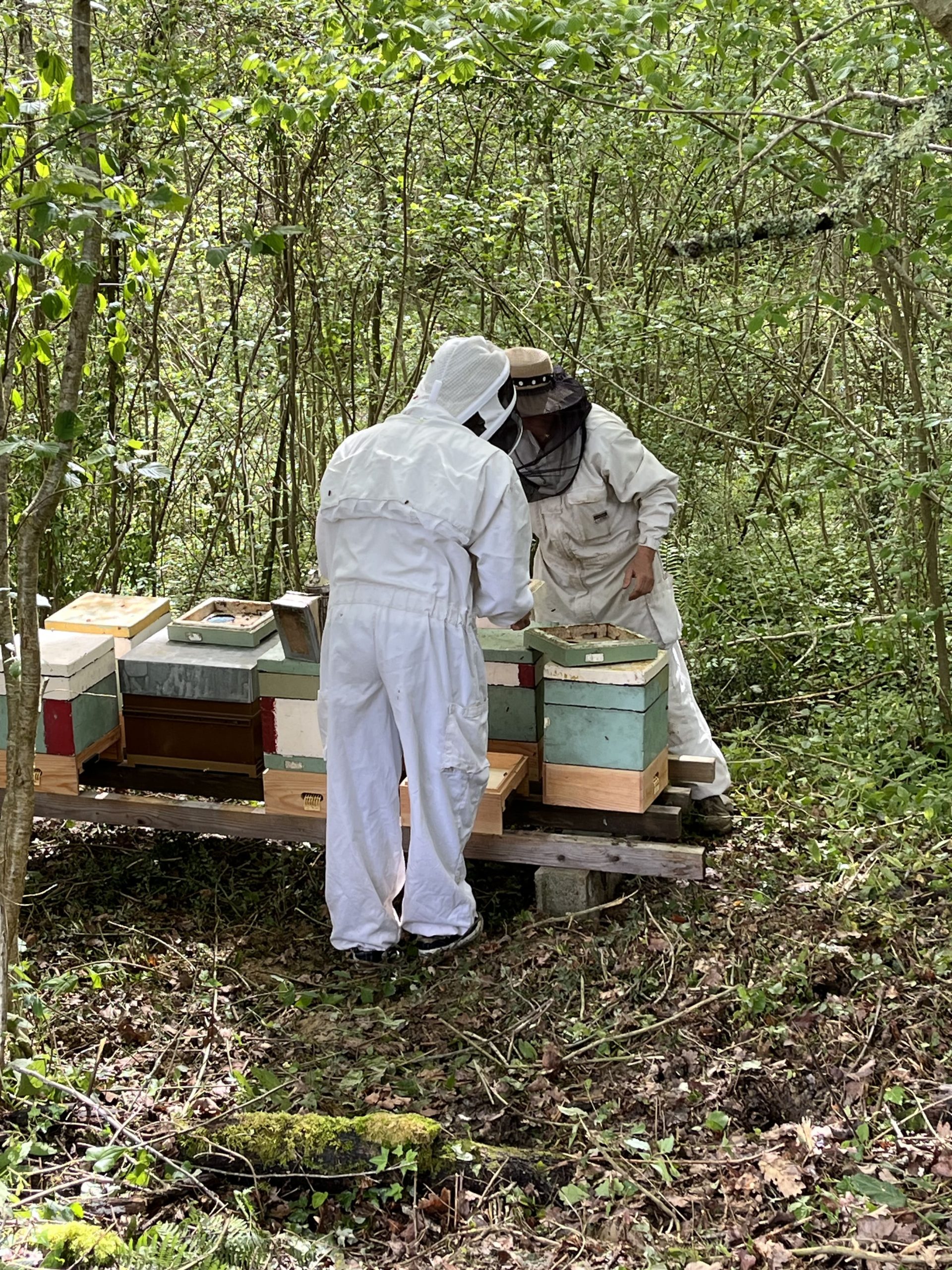
ADFCL’s goal is to change that. They are building a connected hive system with an automatic opening mechanism designed to be accessible, robust, and affordable. Already tested in multiple professional apiaries across Aquitaine and Occitanie, the project now involves around twenty professional beekeepers , and indirectly, several million bees.
What convinced us was not only the technical ingenuity. It was the approach.
The project is open source (CERN-OHL-S v2 license). Designs, results, and feedback are shared. Improvement is collective. Progress is transparent.
This philosophy aligns deeply with Aventa’s own belief in collaborative engineering and sustainable growth.
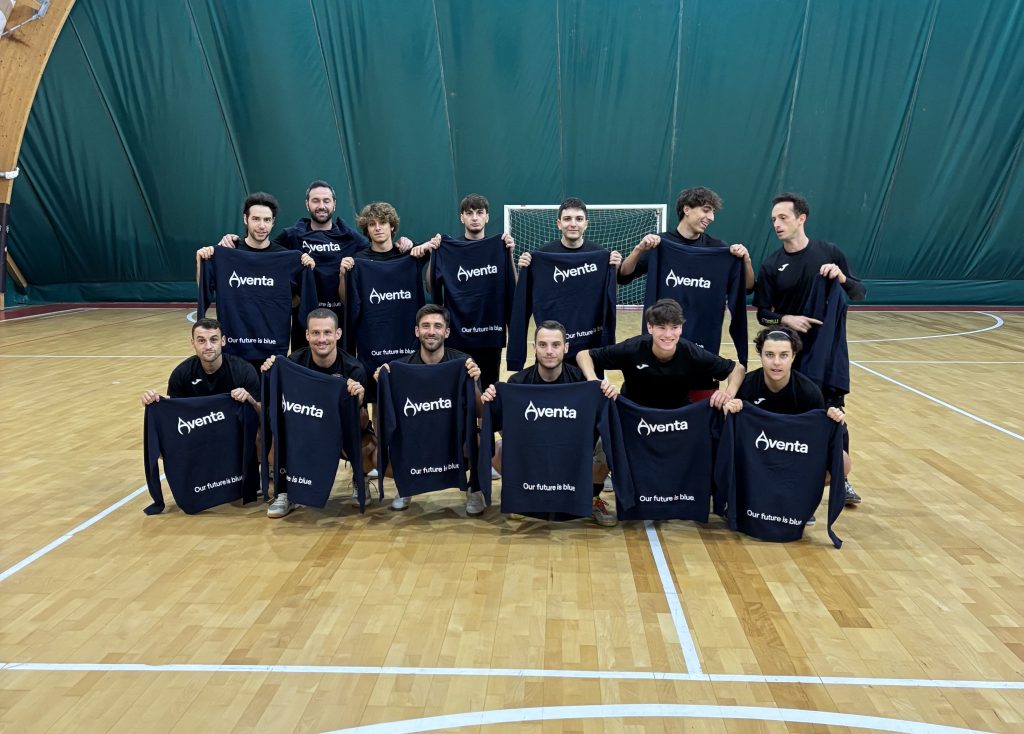
Rather than acting as a simple sponsor, we chose to become a partner , supporting prototyping capabilities, sharing visibility, and integrating this initiative into our broader commitment to biodiversity and innovation.
From offshore renewable energy to bee genetics, the scale may differ.
But the principle is the same: Sustainable systems depend on intelligent design. And intelligent design begins with people who care.